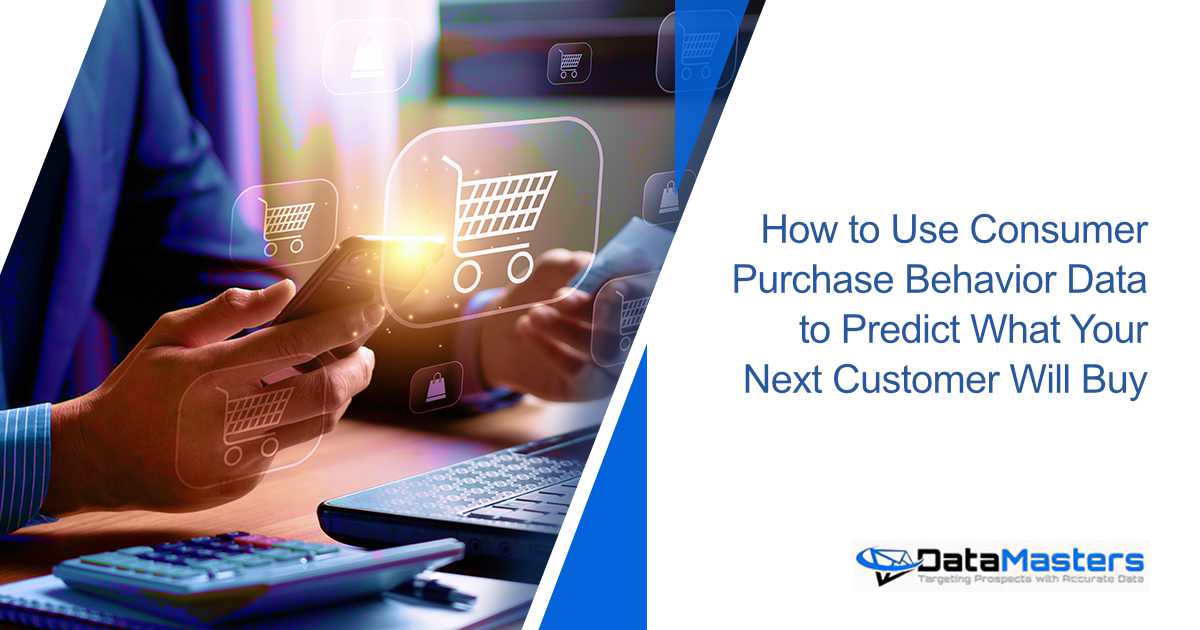
Many businesses still build marketing campaigns around demographic details such as age, household income, gender, and geographic location. While demographic targeting can provide general audience insights, it does not always explain what consumers are actively interested in purchasing. Modern marketers increasingly rely on consumer purchase behavior data to better understand buying habits, spending activity, and product interests.
Consumer buying behavior data helps businesses identify patterns based on real purchasing activity. Instead of targeting broad audiences, marketers can focus on consumers who have already demonstrated interest in specific products, brands, or spending categories. This approach allows e-commerce brands, retailers, subscription services, and direct response marketers to improve audience targeting and reduce wasted advertising efforts.
Purchase behavior marketing also helps businesses predict future customer actions with greater accuracy. Past transactions, brand preferences, and recurring purchase activity often reveal stronger buying intent than demographic information alone. By using consumer purchase behavior data, companies can create more targeted campaigns designed to reach consumers who are more likely to convert.
Why Consumer Purchase Behavior Data Matters More Than Demographic Targeting
Traditional demographic targeting gives marketers a basic overview of potential customers, but it does not fully explain consumer intent. Two consumers may share similar demographic characteristics while having completely different buying habits and purchasing priorities. Consumer purchase behavior data provides more actionable insights because it focuses on what people actually buy instead of who they appear to be on paper.
Behavioral targeting helps businesses identify consumers based on real-world purchasing activity. Marketers can analyze buying tendencies, product categories, spending frequency, and brand engagement to create more focused campaigns. This allows businesses to target audiences with stronger purchase intent and improve overall campaign performance.
For e-commerce brands and direct response marketers, purchase behavior data can shorten the path to conversion. Consumers who have previously purchased related products are often more likely to respond to similar offers in the future. This strategy allows marketers to move beyond general awareness campaigns and focus on audiences already positioned closer to making a purchase decision.
The Difference Between Demographics and Behavioral Targeting
Demographic targeting groups consumers based on characteristics such as age, income level, education, or geographic location. While this information can help define a broad audience, it does not always indicate whether a consumer is actively interested in a product or service. Businesses using only demographic data may reach large audiences without identifying actual purchase intent.
Behavioral targeting focuses on consumer actions rather than personal characteristics. Consumer purchase behavior data tracks purchasing activity, spending categories, shopping preferences, and brand interactions to identify likely buyers. This approach gives marketers better insight into how consumers make purchasing decisions and which products they are more likely to buy next.
Purchase behavior marketing also provides stronger targeting precision for digital campaigns. Consumers who consistently purchase products within a certain category often demonstrate predictable buying patterns over time. Businesses can use this information to improve audience segmentation, personalize messaging, and increase conversion opportunities.
How Consumer Buying Tendencies Influence Marketing Performance
Consumer buying tendencies help marketers understand how customers interact with products, brands, and purchasing cycles. Some consumers regularly purchase premium products, while others prioritize discounts or recurring subscription purchases. These patterns allow businesses to build more targeted marketing strategies around actual consumer behavior.
Purchase frequency is one of the most useful indicators within consumer purchase behavior data. Consumers who make repeat purchases within a category are often more responsive to related offers and promotional campaigns. Businesses can use this information to identify high-value audiences and improve customer acquisition efforts.
Brand preference data also supports more effective marketing decisions. Consumers who repeatedly purchase from similar brands or product categories often demonstrate long-term purchasing interests. By analyzing consumer buying behavior, marketers can create campaigns that align more closely with existing purchasing habits and improve response rates.
What Is Consumer Purchase Behavior, Data?
Consumer purchase behavior data refers to information collected from actual consumer buying activity. This data helps businesses understand what products consumers purchase, how often they buy, which brands they prefer, and how they spend within specific categories. Companies use consumer purchase behavior data to identify patterns that support more accurate audience targeting and marketing decisions.
Unlike broad demographic information, purchase behavior data focuses on measurable actions tied to real transactions. Marketers can use this information to segment audiences based on buying tendencies, product interests, and purchasing frequency. This approach allows businesses to build campaigns around consumers who already demonstrate relevant buying behavior.
Consumer buying behavior data is widely used across e-commerce, retail, subscription services, and direct response marketing. Businesses use these insights to improve customer targeting, personalize campaigns, and predict future purchases. As competition increases across digital marketing channels, behavioral targeting provides businesses with a more efficient way to reach high-intent consumers.
Types of Consumer Purchase Behavior Data Used in Marketing
Several types of consumer purchase behavior data help marketers better understand customer activity and purchasing intent. One common category includes online purchasing behavior, which tracks products consumers buy through digital channels. This information can help businesses identify consumers interested in specific product categories, seasonal purchases, or recurring online transactions.
Retail buying patterns also provide valuable insights for marketers. Businesses can analyze in-store purchasing activity to identify spending habits, product preferences, and purchase frequency. This type of consumer buying data helps retailers build audience segments based on real shopping behavior instead of estimated interests.
Subscription purchasing activity is another important form of behavioral data. Consumers who regularly subscribe to products or services often demonstrate predictable buying cycles and long-term engagement patterns. Businesses can use this information to identify consumers likely to respond to subscription offers, replenishment products, or recurring service promotions.
Brand preference data helps marketers understand which brands consumers repeatedly purchase or engage with over time. This information supports more refined audience targeting by identifying consumers with established purchasing interests. Spending category insights also allow businesses to focus on consumers who actively spend within relevant product markets.
How Purchase Behavior Data Helps Predict Future Purchases
Consumer purchase behavior data helps marketers identify patterns that often predict future buying activity. Consumers who purchase products within a specific category are more likely to purchase related products later. Businesses can use this information to anticipate customer needs and deliver more targeted offers.
Repeat purchasing behavior is one of the strongest indicators of future buying intent. Consumers who regularly purchase within the same category often demonstrate ongoing interest and familiarity with similar products. Marketers can use purchase frequency and spending patterns to prioritize audiences with higher conversion potential.
Purchase behavior marketing also supports cross-selling and upselling strategies. Consumers who recently purchased one product may have a higher likelihood of purchasing complementary products or upgraded versions. Businesses can use behavioral targeting to create campaigns that align with existing purchasing interests and improve overall marketing performance.
Behavioral data also helps businesses identify high-intent consumers earlier in the buying process. Instead of targeting broad audiences with general messaging, marketers can focus on consumers already showing relevant purchasing activity. This approach helps reduce wasted advertising spend while improving campaign efficiency and response rates.
How E-Commerce Brands Use Purchase Behavior Data to Increase Conversions
E-commerce brands rely on consumer purchase behavior data to build more targeted and efficient marketing campaigns. Instead of marketing products to broad audiences, businesses can focus on consumers who already demonstrate interest in related products or spending categories. This approach helps brands improve conversion rates while reducing unnecessary advertising costs.
Purchase behavior marketing also allows e-commerce businesses to better understand how consumers move through the buying process. Past purchasing activity often reveals product interests, spending habits, and brand preferences that support more personalized outreach. By using consumer buying behavior data, businesses can deliver relevant offers to consumers who are more likely to complete a purchase.
Behavioral targeting helps companies move beyond awareness-stage marketing strategies. Consumers who already purchase within a related category may require less education and fewer touchpoints before converting. This allows marketers to focus on purchase-ready audiences instead of relying entirely on broad prospecting campaigns.
Identifying High-Intent Buyers Before They Purchase
Consumer purchase behavior data helps businesses identify high-intent buyers based on previous purchasing actions. Consumers who recently purchased related products often show continued interest within the same category. Marketers can use this information to target audiences who are more likely to respond to future offers.
Shopping frequency is another strong indicator of purchase intent. Consumers who regularly buy within a product category often demonstrate ongoing purchasing behavior and stronger engagement with similar products. Businesses can use consumer buying data to identify active buyers and prioritize them within marketing campaigns.
Purchase history also helps marketers identify consumers with established spending patterns. Some buyers consistently purchase premium products, while others focus on recurring or budget-conscious purchases. Behavioral targeting allows businesses to align messaging and product offers with actual consumer purchasing habits.
Improving Personalized Marketing Campaigns With Buying Tendency Data
Buying tendency data supports more personalized marketing strategies across multiple channels. Businesses can segment audiences based on purchase categories, brand preferences, and spending activity to deliver more relevant marketing messages. This approach helps improve customer engagement while increasing the likelihood of conversion.
Email marketing campaigns often perform better when built around consumer purchase behavior data. Businesses can recommend products based on previous purchases or target consumers with offers tied to their buying history. Personalized email campaigns help brands maintain relevance while improving customer retention opportunities.
Behavioral targeting also improves paid advertising performance. Marketers can create audience segments based on actual purchasing activity instead of relying only on general demographic information. This allows businesses to deliver more focused advertisements to consumers who already demonstrate strong buying intent.
Product recommendation strategies also benefit from consumer buying behavior insights. Consumers who purchase related products or demonstrate repeated interest within a category are often more likely to engage with complementary offers. Businesses can use purchase behavior marketing to support upselling, cross-selling, and repeat purchase campaigns more effectively.
Using Consumer Purchase Behavior Data for Retail and Subscription Marketing
Retail businesses and subscription services use consumer purchase behavior data to better understand customer purchasing patterns and long-term buying activity. Instead of relying on broad audience assumptions, companies can analyze real transaction data to identify consumers with consistent purchasing behavior. This approach supports more accurate targeting and stronger customer retention strategies.
Consumer buying behavior data also helps businesses predict future purchasing cycles. Many consumers follow repeat buying patterns based on product type, brand preference, or subscription schedules. Businesses that understand these patterns can create more timely marketing campaigns designed around expected customer behavior.
Purchase behavior marketing is especially valuable for companies with recurring customer relationships. Subscription services, membership-based businesses, and retailers selling replenishment products can use behavioral targeting to improve customer engagement and reduce churn. By identifying buying tendencies early, marketers can deliver relevant offers before customers begin searching for alternatives.
Predicting Repeat Purchases and Subscription Renewals
Repeat purchase behavior is one of the clearest indicators of future buying activity. Consumers who regularly purchase the same product category often demonstrate ongoing demand and established buying habits. Businesses can use consumer purchase behavior data to identify these customers and build campaigns focused on retention and repeat sales.
Subscription services also benefit from analyzing consumer buying tendencies over time. Customers who consistently renew subscriptions or purchase products within predictable intervals often follow measurable purchasing cycles. Marketers can use this information to send renewal reminders, personalized promotions, or product recommendations before a customer’s buying cycle ends.
Retail businesses selling replenishment-based products can also improve marketing timing with behavioral data. Consumers purchasing household goods, health products, or recurring-use items often buy within repeat intervals. Purchase behavior marketing helps businesses reach consumers when they are most likely to make another purchase decision.
Building Smarter Customer Segments With Consumer Buying Data
Consumer purchase behavior data allows businesses to create more refined audience segments based on real buying activity. Instead of grouping customers only by demographic characteristics, marketers can segment audiences according to purchasing habits, spending levels, and product interests. This creates stronger targeting opportunities across email, digital advertising, and direct response campaigns.
High-value customer segments are especially important for retail and subscription businesses. Consumers with frequent purchasing activity or larger average order values often generate greater long-term revenue. Businesses can use behavioral targeting to prioritize these audiences with loyalty offers, retention campaigns, or premium product promotions.
Seasonal purchasing behavior also provides useful segmentation opportunities. Some consumers purchase specific products during predictable periods throughout the year, while others respond more consistently to promotional events. Consumer buying data helps marketers identify these trends and plan campaigns around actual purchasing patterns.
Brand-switching behavior is another valuable insight within purchase behavior marketing. Consumers who frequently purchase across competing brands may be more responsive to promotional offers or alternative product recommendations. Businesses can use this information to target consumers actively evaluating purchasing options within a category.
Why Behavioral List Targeting Helps Direct Response Marketing Campaigns
Behavioral list targeting helps direct response marketers reach consumers based on actual purchasing activity instead of broad audience assumptions. Rather than targeting consumers only by age, income, or location, businesses can focus on individuals who already demonstrate interest in specific products or spending categories. This approach creates stronger alignment between marketing campaigns and consumer buying intent.
Consumer purchase behavior data allows marketers to build campaigns around real transaction history and purchasing tendencies. Consumers who recently purchased related products are often more likely to engage with similar offers in the future. By using behavioral targeting, businesses can improve campaign efficiency while reducing wasted impressions on low-intent audiences.
Direct response marketing campaigns often depend on reaching consumers who are prepared to take immediate action. Purchase behavior marketing helps businesses identify these audiences earlier by analyzing previous buying activity and category engagement. This allows marketers to focus on consumers already positioned closer to a purchase decision.
Reducing Marketing Waste With Consumer Purchase Behavior Insights
Consumer purchase behavior data helps businesses reduce wasted advertising spend by narrowing audience targeting. Broad demographic campaigns may reach consumers who fit general audience criteria but have little actual interest in a product category. Behavioral targeting improves campaign precision by focusing on consumers with demonstrated buying activity.
Businesses can also improve response rates by using consumer buying data to prioritize high-intent audiences. Consumers who repeatedly purchase within a category often respond more consistently to related promotions and product offers. This allows marketers to allocate budgets toward audiences with stronger conversion potential.
Purchase behavior marketing also supports more efficient customer acquisition strategies. Instead of relying on large-scale awareness campaigns, businesses can focus on consumers already familiar with similar products or brands. This targeted approach can help improve return on advertising spend while supporting more measurable campaign outcomes.
Reaching Consumers Based on Real Buying Activity
Behavioral list targeting allows marketers to reach consumers based on actual purchasing patterns and spending behavior. Consumers who recently purchased products within a category often demonstrate continued interest in related offers. Businesses can use this information to create campaigns that align more closely with current buying activity.
Consumer purchase behavior data also helps marketers identify audiences with strong category engagement. Some consumers consistently spend within specific industries, product categories, or brand groups over time. This information supports more refined targeting strategies that focus on consumers already participating in relevant markets.
Direct response marketers can also use consumer buying behavior data to improve timing and message relevance. Consumers actively purchasing within a category are often more responsive to targeted offers delivered at the right stage of the buying cycle. Behavioral targeting helps businesses create campaigns based on real consumer actions rather than generalized assumptions about audience interests.
Choosing the Right Consumer Purchase Behavior Database
Selecting the right consumer purchase behavior database is important for businesses that want to improve audience targeting and campaign performance. The quality of consumer buying data directly affects how accurately marketers can identify high-intent audiences and predict future purchasing activity. Businesses using incomplete or outdated data may struggle to build effective behavioral targeting campaigns.
Consumer purchase behavior data should provide detailed insights into purchasing patterns, spending categories, and buying tendencies. Businesses need access to accurate information that supports audience segmentation across multiple product categories and consumer markets. A reliable database allows marketers to build campaigns around measurable consumer activity instead of estimated interests.
Companies should also evaluate how flexible a consumer buying database is for different marketing goals. E-commerce brands, retailers, subscription services, and direct response marketers often require different audience segments depending on campaign objectives. A strong behavioral targeting database should support customized audience selection based on purchasing behavior, category interest, and spending activity.
What Businesses Should Look for in a Consumer Buying Database
Data accuracy is one of the most important factors when selecting a consumer purchase behavior database. Marketers rely on this information to make targeting decisions, segment audiences, and improve campaign performance. Inaccurate or outdated consumer buying data can reduce campaign effectiveness and increase wasted marketing spend.
Businesses should also look for strong audience segmentation capabilities. A useful consumer buying database should allow marketers to filter audiences based on purchasing categories, spending levels, buying frequency, and brand preferences. This flexibility helps businesses create more focused campaigns that align with specific marketing goals.
Category depth is another important consideration for behavioral targeting. Some businesses require broad consumer purchase behavior data across multiple industries, while others focus on niche product categories. Access to detailed category-level insights helps marketers build more refined audience segments and improve targeting precision.
Compliance and data quality standards also play an important role in selecting a consumer purchase behavior database. Businesses should work with providers that maintain reliable data collection practices and consistent data management standards. Strong data quality supports better marketing decisions and more dependable campaign results.
How DataMasters Supports Behavioral Marketing Strategies
Businesses looking to improve predictive targeting strategies can benefit from access to specialized consumer purchase behavior data. DataMasters provides consumer buying behavior insights that help marketers identify audiences based on real purchasing activity, spending categories, and buying tendencies. This supports more focused marketing campaigns designed around measurable consumer behavior.
E-commerce brands, retailers, subscription services, and direct response marketers can use behavioral targeting data to improve audience segmentation and campaign performance. By analyzing past purchasing activity, businesses can better identify consumers likely to respond to future offers. This approach helps marketers move beyond broad demographic targeting and focus on purchase-driven audience selection.
Companies seeking more advanced audience targeting solutions can explore the DataMasters consumer purchase behavior and tendencies database to support customer acquisition and predictive marketing strategies. Access to reliable consumer purchase behavior data can help businesses improve targeting efficiency, personalize campaigns, and reach consumers with stronger buying intent.
Improve Customer Targeting With Consumer Purchase Behavior Data
Businesses that rely only on demographic targeting may miss valuable opportunities to reach consumers with stronger purchase intent. Consumer purchase behavior data provides deeper insight into how customers shop, what they buy, and which products they are likely to purchase next. These insights support more targeted campaigns designed around actual consumer activity.
Behavioral targeting helps businesses improve campaign precision while reducing wasted advertising efforts. By focusing on consumers with measurable buying tendencies, marketers can create more relevant messaging and stronger conversion opportunities. This approach supports more efficient customer acquisition and long-term marketing performance.
Data-driven audience targeting continues to play an important role in modern marketing strategies. Businesses that use consumer buying behavior data can better predict future purchases, personalize outreach, and improve overall campaign effectiveness. Access to reliable purchase behavior insights gives marketers stronger tools for reaching consumers prepared to take action.