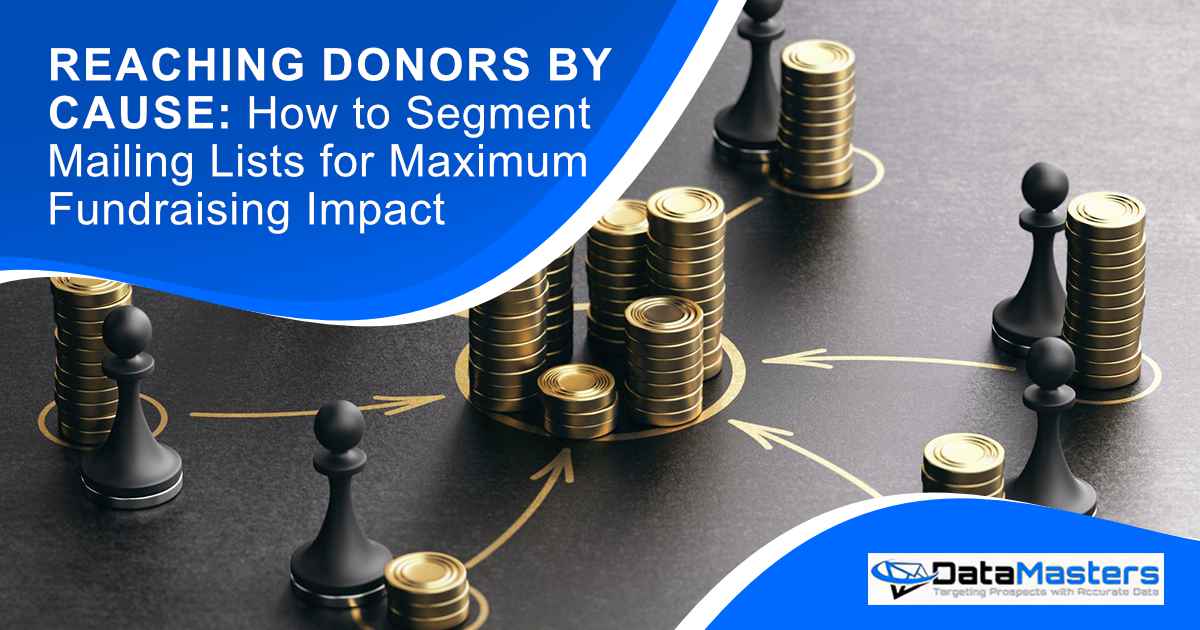
Generic donor appeals rarely deliver strong fundraising results. When messaging is broad and impersonal, even well-intentioned campaigns struggle to connect. Today’s donors expect relevance—communications that align with their values, interests, and the causes they care about most.
That’s where donor mailing lists by cause come in. By segmenting donors based on the causes they actively support, organizations can create more meaningful outreach, improve response rates, and maximize fundraising impact across channels.
Whether you’re a nonprofit organization, fundraising agency, political advocacy group, or university advancement team, cause-based donor segmentation can dramatically improve the performance of your campaigns.
How Cause Segmentation Works
Cause segmentation organizes donor data according to the specific missions or issues individuals have demonstrated interest in or previously supported. Rather than relying on a single general donor list, organizations can tailor outreach to audiences who are already aligned with their cause.
Common cause-based donor segments include:
Political Donors
Individuals who support political parties, candidates, or advocacy initiatives. These donors often respond to messaging tied to policy outcomes, civic engagement, and urgency around elections or legislation.
Environmental Donors
Supporters of conservation, climate initiatives, wildlife protection, and sustainability efforts. Messaging that highlights long-term impact, ecological responsibility, and measurable outcomes resonates strongly with this group.
Animal Welfare Donors
Donors who give to animal shelters, rescue organizations, and wildlife preservation causes. Emotional storytelling, rescue success stories, and visual impact are particularly effective for this segment.
Religious & Faith-Based Donors
Individuals who contribute to faith-driven missions, ministries, and charitable outreach. Values-driven language, transparency, and community-focused messaging are key.
Education-Based Donors
Supporters of schools, universities, scholarships, and research initiatives. These donors respond well to outcomes related to student success, innovation, and long-term societal benefit.
Segmenting donor mailing lists by cause allows organizations to match the message to donor motivation—rather than asking every donor to care about everything.
Benefits of Using Targeted Donor Mailing Lists by Cause
Using cause-segmented donor data delivers measurable advantages across fundraising channels, including email, direct mail, phone outreach, and digital campaigns.
Higher Open and Engagement Rates
When donors receive messages aligned with their personal interests, they’re far more likely to open, read, and engage. Cause-relevant subject lines and messaging consistently outperform generic appeals.
Improved Response and Conversion Rates
Targeted donor mailing lists by cause increase the likelihood that donors will take action—whether that’s making a donation, signing a petition, or attending an event.
Better Donor Retention
Donors who feel understood and valued are more likely to continue giving. Cause-aligned communication builds trust and strengthens long-term relationships.
More Efficient Fundraising Spend
By focusing outreach on donors who are already predisposed to care, organizations reduce wasted impressions and improve ROI across campaigns.
Example Campaigns by Cause Vertical
Cause-based segmentation works across a wide range of fundraising and advocacy initiatives. Here are a few real-world applications:
Animal Rescue & Welfare Campaigns
Animal shelters and rescue organizations can use animal welfare donor lists to promote emergency rescue efforts, adoption drives, or medical funding appeals. Emotional narratives paired with donor affinity lead to higher response rates.
Political & Advocacy Campaigns
Political organizations can segment donors by issue alignment, party affiliation, or past giving behavior to drive donations, voter turnout, and grassroots engagement—especially during election cycles.
Disaster Relief & Humanitarian Aid
Disaster response campaigns benefit from reaching donors who have previously supported humanitarian relief efforts. Urgent, transparent messaging combined with cause relevance drives rapid action.
Best Practices for Cause-Based Donor Messaging
Having the right donor mailing list is only part of the equation. Effective messaging ensures that segmentation translates into results.
Use Emotionally Aligned Language
Match your tone to the donor’s motivation. Animal welfare donors respond to compassion, political donors respond to urgency, and education donors respond to impact and legacy.
Be Transparent About Impact
Clearly explain how donations are used and what outcomes donors can expect. Transparency builds credibility and trust.
Personalize When Possible
Use donor names, past giving references, or geographic relevance to enhance connection without overcomplicating the message.
Keep the Call to Action Clear
Tell donors exactly what you want them to do—donate, support, sign, or engage—and make the next step simple.
Conclusion: Turn Donor Data Into Fundraising Results
Effective fundraising starts with relevance. By leveraging donor mailing lists by cause, organizations can move beyond generic appeals and create campaigns that truly resonate with the people most likely to support their mission.
If you’re ready to improve engagement, boost response rates, and maximize fundraising ROI, cause-segmented donor data is a powerful place to start.
👉 Ready to reach verified, courthouse-sourced divorce mailing segments? Contact DataMasters today at (940) 363-2700 to connect with a data specialist and launch your targeted campaign.